Aseon Labs Raises $10M to Service Robotaxis on the Curb
Aseon Labs (aseonlabs.com) has raised $10 million in a seed round led by Crane Venture Partners to build robotic pods that charge, clean, and inspect self-driving cars without sending them out of the city. Y Combinator, Garrett Camp's Expa, Robin Hood Ventures, and Founders Capital also invested, along with angels including Adrian Aoun, Mercury founder and CEO Immad Akhund, and Zimride co-founder Rajat Suri. The round was first reported by TechCrunch.
The problem Aseon is going after is a familiar one for anyone who has watched an empty autonomous vehicle roll through San Francisco. Robotaxis leave their busiest neighborhoods several times a day to reach a depot for charging, cleaning, and inspection, racking up deadhead miles with no passenger in the car. Depots tend to sit outside city centers because that is where the real estate is affordable, which makes every reset an expensive round trip.
Aseon's answer is a pod roughly the size of a parking space, packed with cameras for inspection and robotic arms that clean interiors and retrieve items riders leave behind. The units are classified as temporary structures, which lets the company skip long permitting timelines and pick up a pod and move it if a location does not perform. They can run on a propane generator or other mobile power, or tie into existing electricity through partnerships with EV charging companies. Early versions will be staffed, with full autonomy as the goal.
"You need the robotaxi in continuous operation during the entirety of the demand curve of the day."
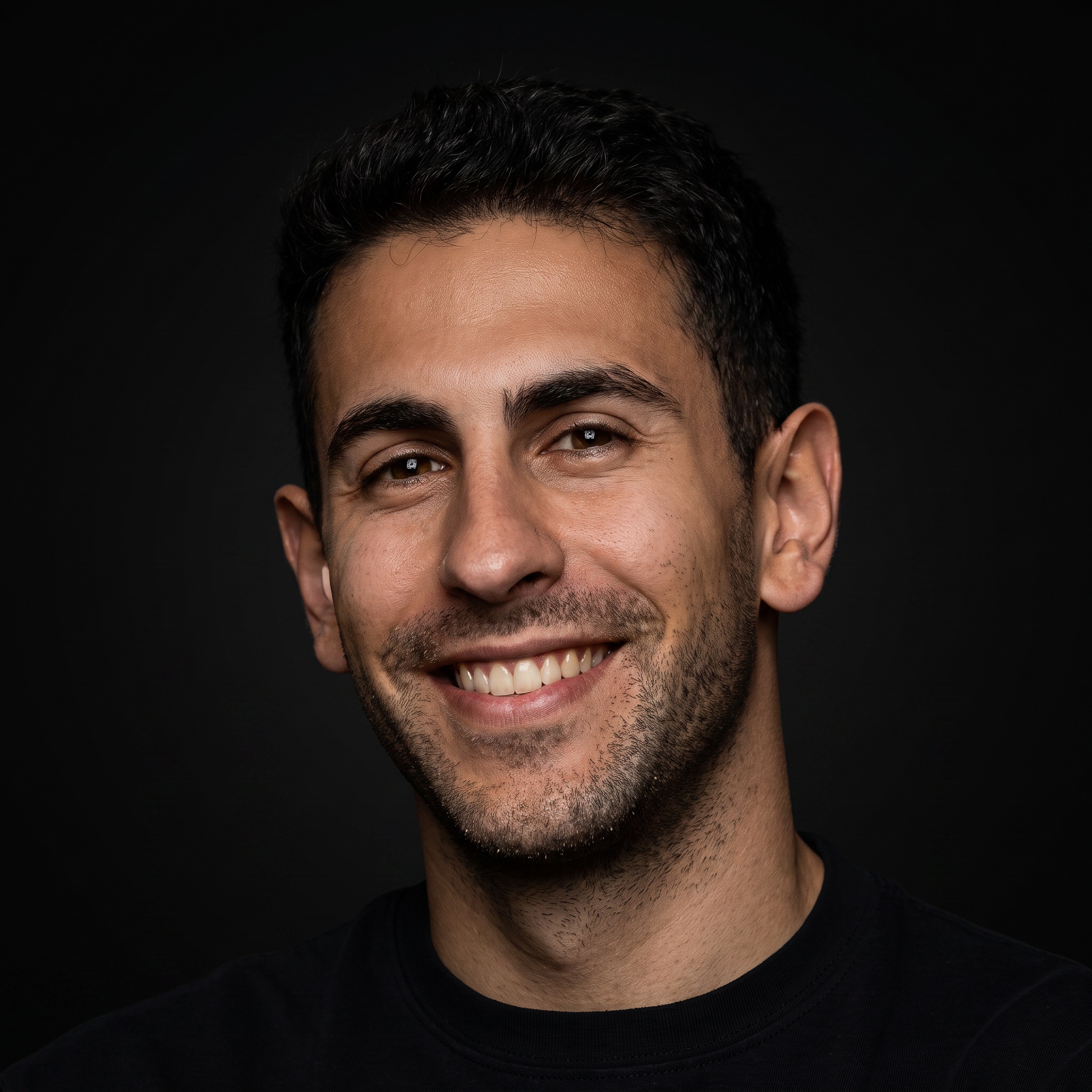
George Kalligeros, co-founder and CEO of Aseon LabsKalligeros and co-founder and COO Dan Keene are running a version of a playbook they have used before. The pair founded Pushme in 2016 to build battery-swapping infrastructure for shared scooters and bikes, growing it to thousands of stations across dozens of cities before Tier Mobility acquired it in January 2020. Kalligeros worked as a mechanical design engineer at Bentley Motors and Tesla before that. Both describe the Tier era as an exercise in dropping non-permanent infrastructure into dense city centers quickly, then moving it when the economics shifted.
Rather than automate every possible mess, Aseon uses computer vision and vision-language-action models to decide what the pod should not attempt. Melted chocolate on a back seat is the example Kalligeros offers: the robotic arm stands down instead of smearing the stain, the car gets charged, and it heads to the operator's central depot for a person to deal with. That triage approach keeps the hardware simple and the pod's cycle time short.
The seed money goes toward five prototype pods, growing the six-person robotics and engineering team to about a dozen, and locking down the real estate the network will need. Aseon has no signed contracts with robotaxi operators yet, though Kalligeros said interest in trying the pods is broad across the industry.
The bet is that operational cost, not driving software, is what stands between robotaxi fleets and unit economics that match ride-hailing. Aseon's pitch to investors is that the fix looks less like a better vehicle and more like a pit crew stationed where the demand is.