Andrej Karpathy Joins Anthropic
Andrej Karpathy, one of the most recognized researchers in AI, announced today that he has joined Anthropic (anthropic.com).
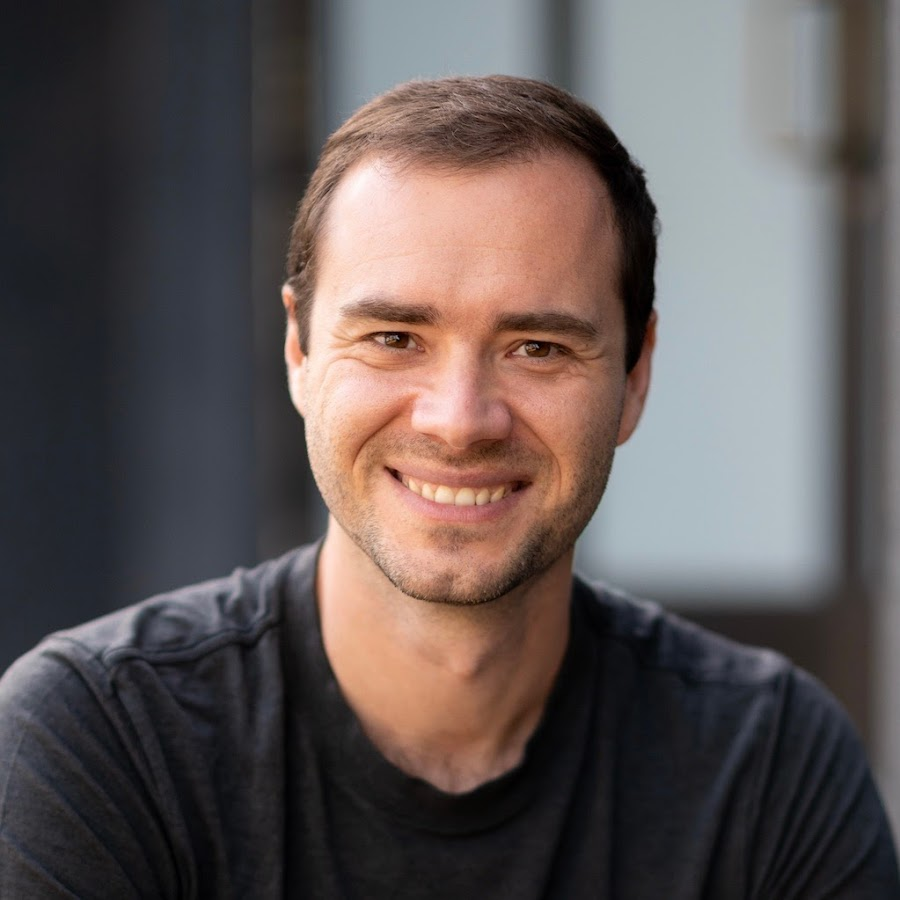
"I think the next few years at the frontier of LLMs will be especially formative. I am very excited to join the team here and get back to R&D. I remain deeply passionate about education and plan to resume my work on it in time."
Karpathy is a Slovak-Canadian AI researcher who co-founded OpenAI, where he specialized in deep learning and computer vision, and later served as the director of AI and Autopilot Vision at Tesla. He initially left OpenAI to join Tesla in 2017, departed Tesla in 2022, and rejoined OpenAI roughly a year later before leaving for the second time in February 2024.
After his second departure from OpenAI, Karpathy founded Eureka Labs in 2024, an AI education startup. He is also widely known for his educational YouTube content explaining how neural networks and language models work, and he coined the term "vibe coding" in early 2025, which quickly entered the tech lexicon.
Karpathy's move to Anthropic is notable given his history as an OpenAI co-founder. He joins a growing list of former OpenAI researchers at the company. Jan Leike announced in May 2024 that he was joining Anthropic after his Superalignment team at OpenAI was disbanded. Anthropic itself was founded in 2021 by former OpenAI researchers Daniela and Dario Amodei.
Anthropic has been shipping at a rapid pace. Claude Opus 4.5 launched in November 2025, followed by Opus 4.6 in February 2026 and Opus 4.7 in April. The company also launched Cowork, which extends Claude's agentic capabilities beyond software engineering, and expanded into healthcare and life sciences. In February, Anthropic closed a $30 billion Series G at a $380 billion valuation. According to Bloomberg, the company is now in discussions to raise at least another $30 billion at a valuation exceeding $900 billion.
What exactly Karpathy will work on at Anthropic hasn't been disclosed. His background spans computer vision, autonomous systems, and large-scale model training, and his note about getting back to R&D suggests a hands-on technical role.