Inkbox raises $5.3M seed to give AI agents persistent identity
Inkbox (inkbox.ai) has raised a $5.3 million seed round led by Peak XV Partners, according to CEO Ray Liao's announcement on X. The company gives AI agents their own email address, phone number, iMessage and WhatsApp. Pioneer Fund, NFX, Garage Capital and Amino Capital are among its backers, along with Vercel CEO Guillermo Rauch.
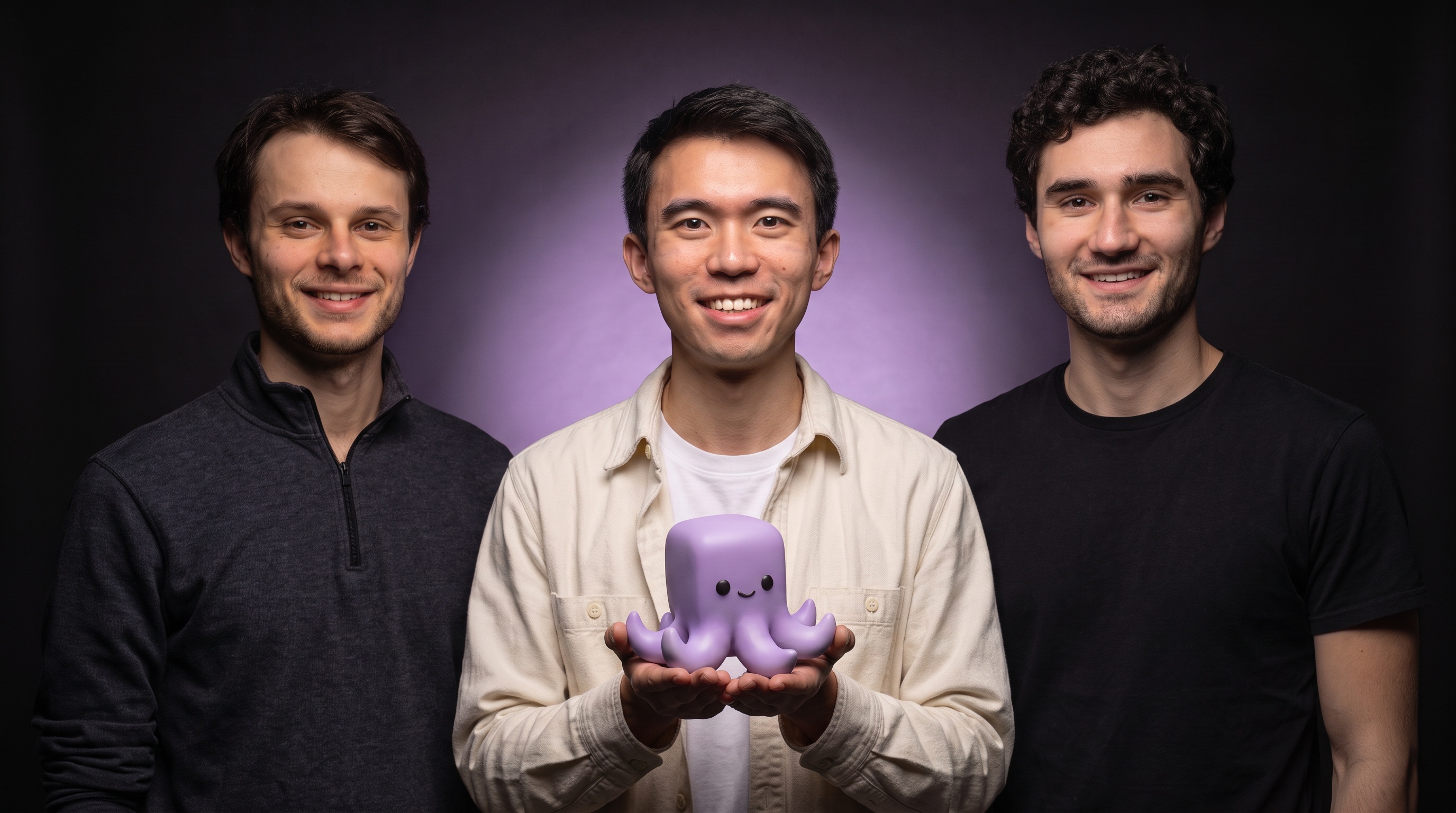
Inkbox went through Y Combinator's Summer 2026 batch. Privy's Henri Stern, Databricks chief AI scientist Jonathan Frankle, Linear COO Cristina Cordova, Dan Levine and others also joined the seed round.
Along with the funding, Inkbox is launching hosted agents. Until now, developers ran their agents on their own infrastructure and connected them to Inkbox's inboxes and phone lines. Now the agent itself can run on Inkbox, on the same platform as its communication channels, so it doesn't miss incoming replies. Hosted agents sleep when they have nothing to do, and customers aren't charged for that idle time.
Inkbox launched in July. It gives each agent its own inbox with custom domain support, a phone number that can make calls and send texts, iMessage, and a credential vault for signing into accounts and handling two-factor codes. It has plugins for Claude Code, Codex, Hermes and OpenClaw, and an agent can also sign itself up for an account by following Inkbox's docs. WhatsApp has since been added. Liao says Inkbox has handled millions of messages for agents in the four months since its YC launch.
Liao has a PhD in computer science from MIT and was previously cofounder and CTO of Empallo, an AI-powered virtual clinic for cardiovascular care. CTO Alex Wilcox worked on machine learning engineering and computer networking research before Inkbox. Cofounder Dima Vremenko was a research associate at Harvard Medical School, where he built machine learning pipelines for clinical prediction models.
Inkbox is pitching itself to teams that run many agents at once, each of which needs its own identity to contact people and businesses, hold accounts and log in to services.