Didit Raises $7.5M for Internet-Scale Identity Verification
Didit (didit.me), the identity verification platform built by identical twin brothers Alberto and Alejandro Rosas, has closed an oversubscribed $7.5M seed round from Y Combinator, Pioneer Fund, Orange Collective, Saasholic, Rice Capital, Founders Future, Phosphor Capital, the co-founder of Gusto, and others.
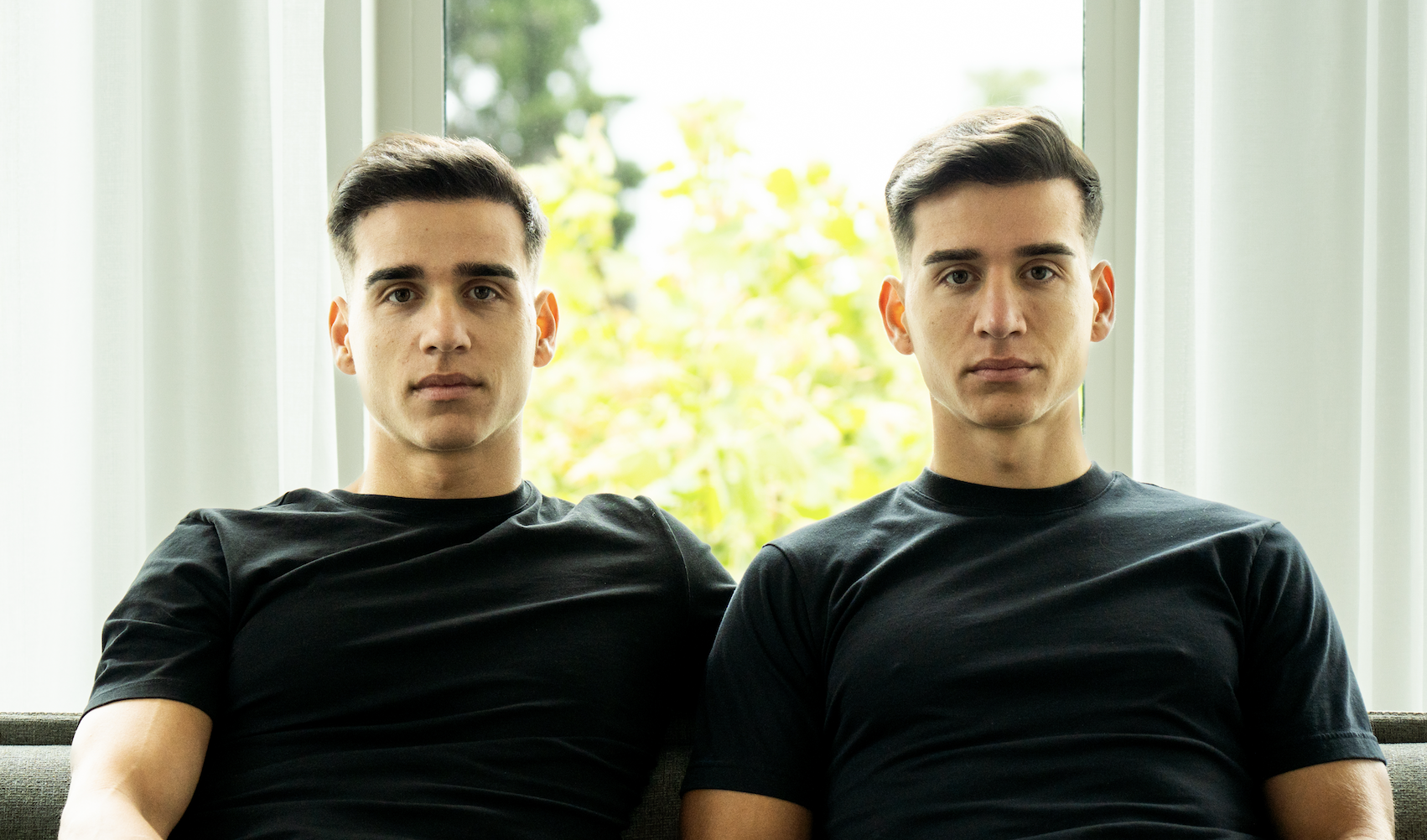
Alberto and Alejandro grew up in Barcelona and spent years working as AI engineers before founding Didit in 2023. They've spent their whole lives dealing with identity confusion as identical twins, which they describe as an ironic origin for building a company to solve identity on the internet. They had no prior Silicon Valley connections, but their product was strong enough to land a spot in one of YC's most competitive batches.
The platform runs on AI models built entirely in-house, analyzing over 200 signals per verification across document authenticity, biometric liveness, deepfake detection, and injection attack prevention. Didit provides one API for KYC, KYB, AML, biometrics, and fraud, with global coverage and integration in minutes. It covers 220+ countries and 14,000+ document types, with sub-2-second verification times.
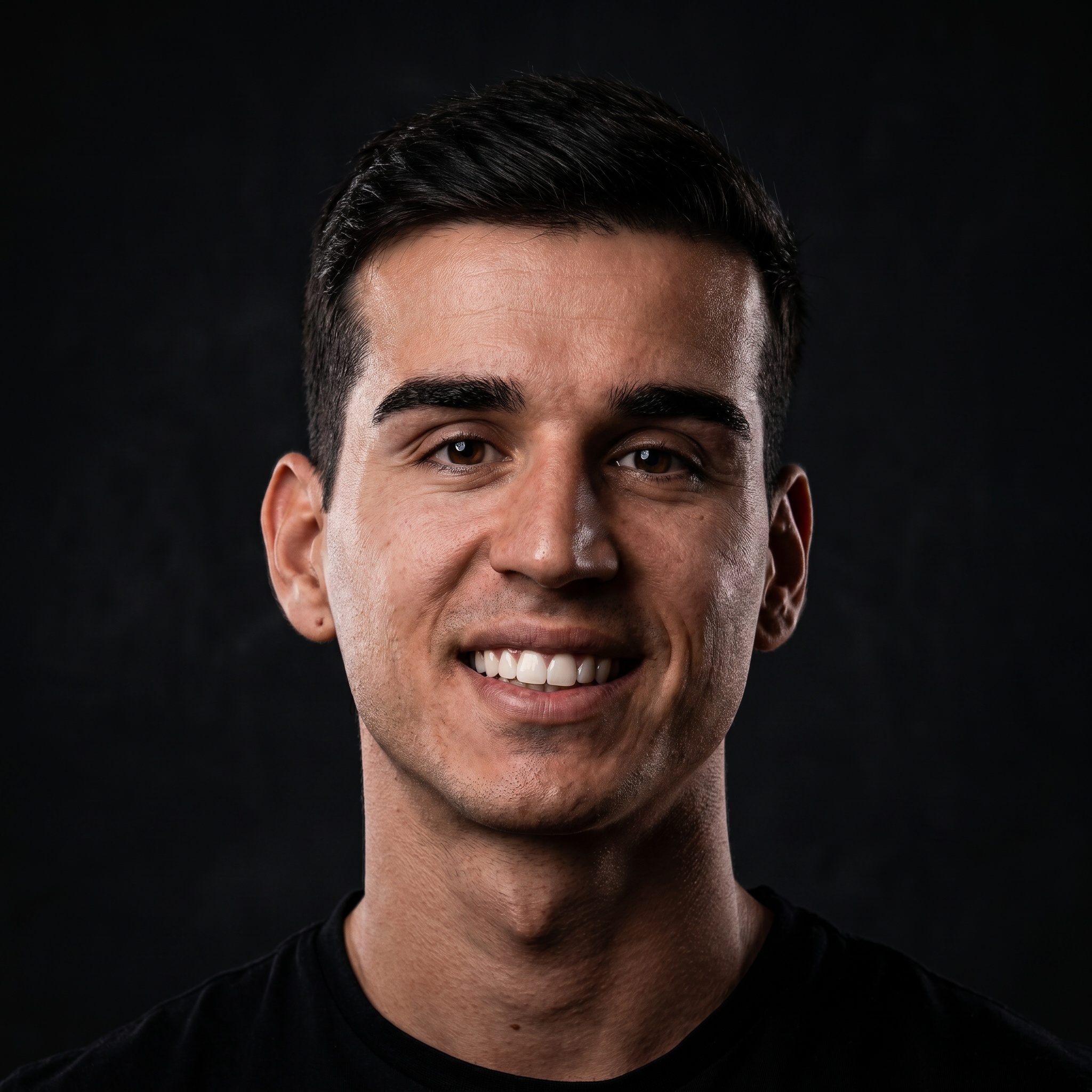
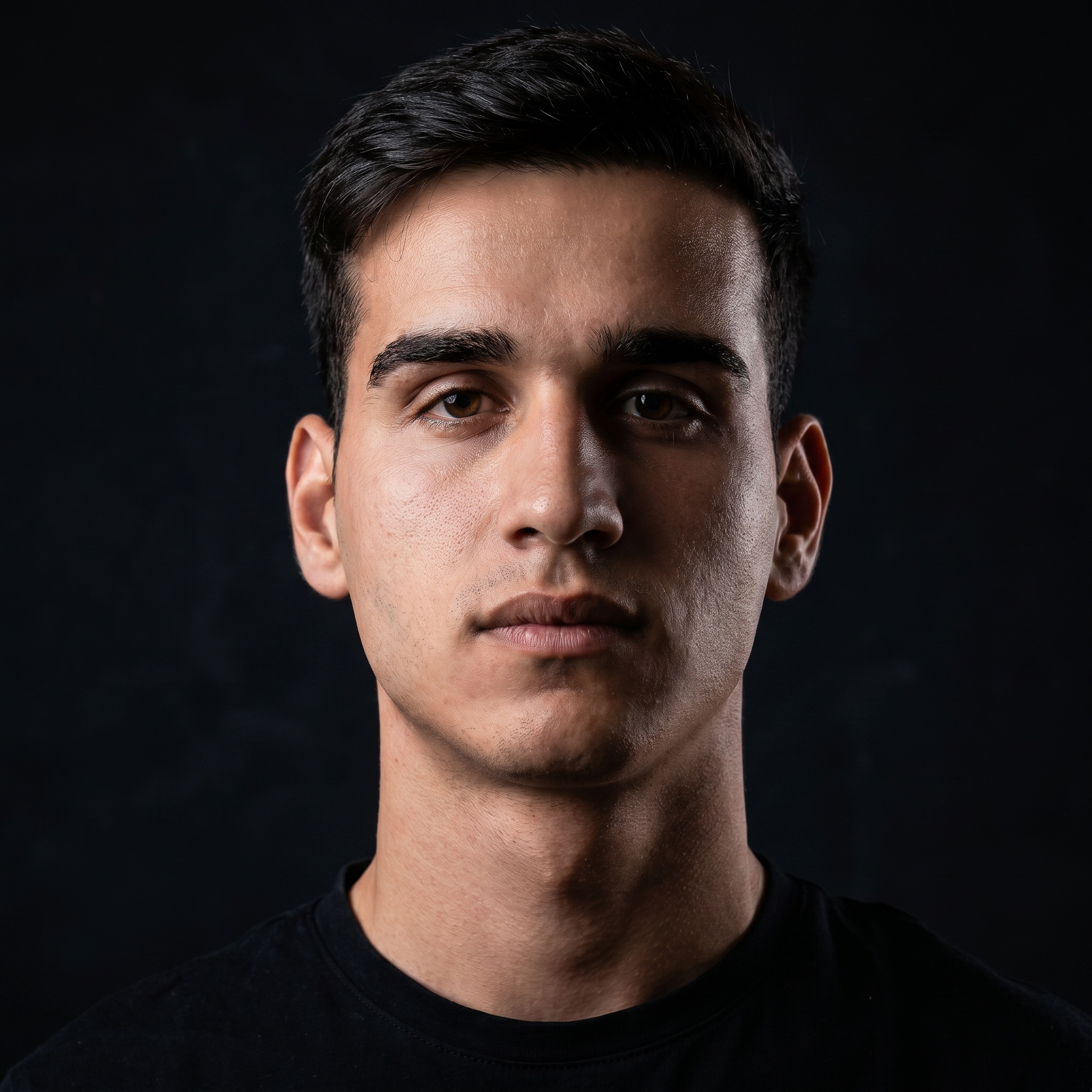
The timing is not accidental. A global regulatory wave is forcing identity verification on millions of companies that have never needed it. Countries from Australia to Brazil to Indonesia have introduced social media bans or age verification mandates for minors. The EU's eIDAS 2.0 requires every member state to offer a digital identity wallet by December 2026. Spain's Banco de España has ordered banks to re-verify their entire customer base. And deepfake attacks have surged over 700% in a single year, making legacy verification providers increasingly vulnerable.
Didit says 80% of its customers had never used an identity verification provider before. They were not switching from a competitor; they were companies that wanted verification but could not navigate the enterprise contracts, high costs, and poor completion rates of incumbents. This expansion of the addressable market, rather than displacement of existing players, is what drew investors to the round.
"You cannot be skeptical of the world after spending five minutes inside Alberto and Alejandro's infectious optimism and capability. They are solving one of the ugliest problems of the AI-agent era — verifying actual humans on the web — and they have rebuilt every layer of identity from scratch: biometrics, liveness, authentication, all in one. We said yes on the call, and the round was done before it began."
— Jason Freedman, Orange Collective
The company takes a developer-first approach, with pay-per-use pricing, no contracts or minimums, and a free tier of 500 verifications per month. New categories of applications are being built on top of the platform: digital signature services, biometric payment systems, social apps with verified profiles, and AI agents that need to authenticate the humans they interact with.
"Identity verification will be fundamental infrastructure for the internet. The importance is even greater in a world of humans and AI agents together. The Didit twins understand this and are building identity verification that works at any scale."
— Tim Suzman, Managing Partner, Pioneer Fund
Didit now serves over 1,000 active B2B customers across fintech, crypto, marketplaces, iGaming, mobility, and government. Revenue has been growing more than 30% month over month, and the company reached profitability in Q2 2026 on a lean team. Net revenue retention exceeds 300% at six months, as customers typically sign up for one use case and expand across the platform.
The funds will go toward scaling go-to-market globally, expanding the product toward programmable identity infrastructure, and hiring. The long-term vision is an identity wallet where users verify once and reuse everywhere.
"Identity verification was built for a pre-AI world — slow, fragmented, and locked behind enterprise contracts. We're building the trust layer for the internet — identity as infrastructure."
— Alberto Rosas, Co-founder & CEO, Didit