Coval Raises $28M Series A to Make Voice AI as Reliable as a Waymo
Coval (coval.ai), a simulation and evaluation platform for AI voice and chat agents, has raised $28 million in a Series A round led by Norwest Venture Partners, with participation from Base10 Partners, Twilio Ventures, Y Combinator, Alumni Ventures, and MaC Venture Capital. The company previously raised a $3.3 million seed round from MaC Venture Capital, Y Combinator, and Pioneer Fund.
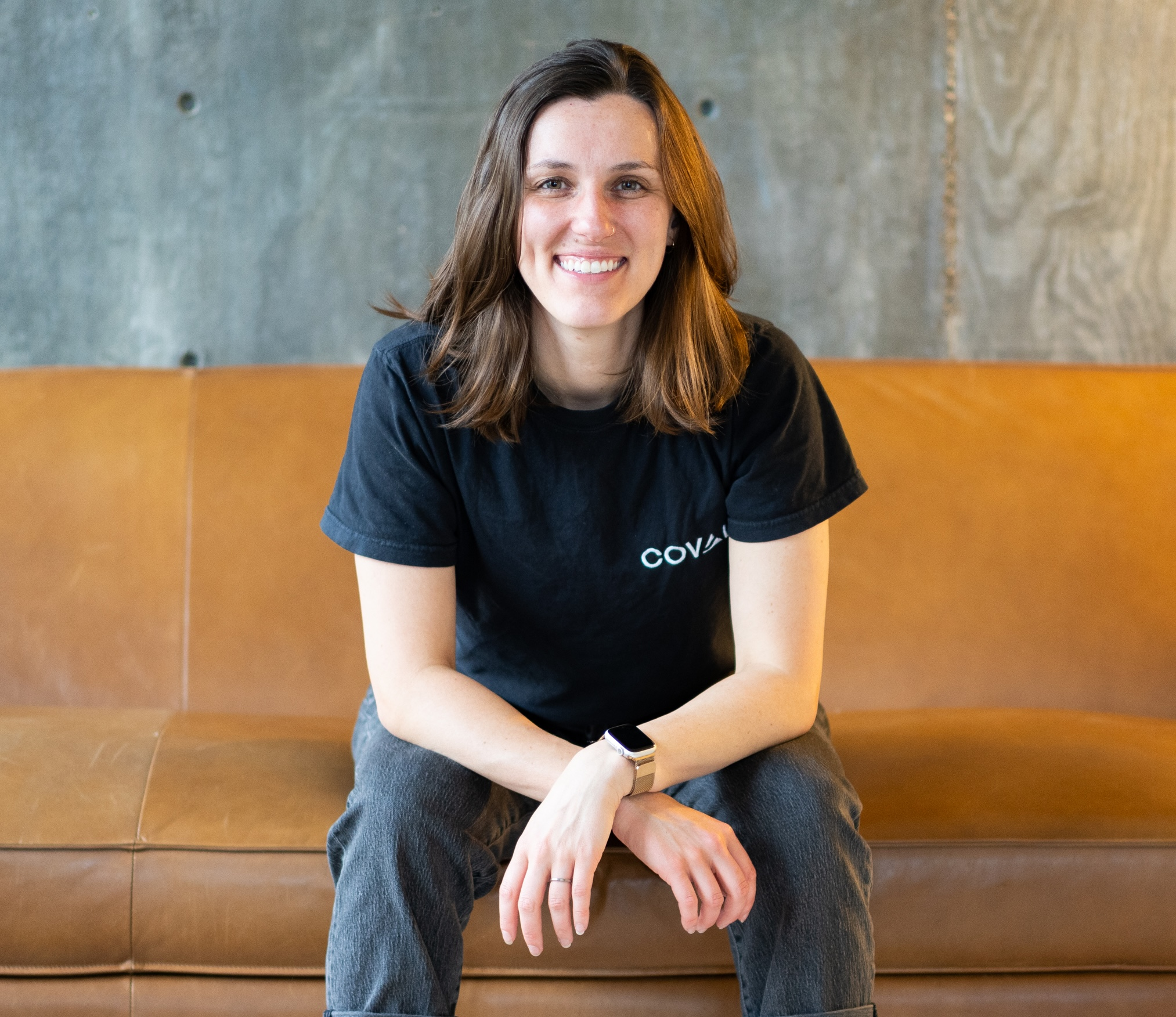
Founded by ex-Waymo engineer Brooke Hopkins, the YC S24 company applies the testing and simulation methodology used to validate autonomous vehicles to the rapidly growing world of enterprise voice AI. Coval runs tens of millions of simulated tests for voice agents, checking for issues such as accents, interruptions, background noise, and edge cases before real users are affected.
The thesis is straightforward: as enterprises deploy AI agents to handle real customer conversations, the consequences of failure grow too high for manual QA. At Waymo, Hopkins' team ran millions of simulated miles for every code change, since failures after launch were not an option for autonomous vehicles. She saw that voice AI would need the same rigor.
Pioneer Fund recognized this early when the firm backed Coval's seed round.
"Most engineers are still applying their old paradigm — this fully observable, deterministic world where they can write unit tests. But with AI, there's an infinite space of pushing the boundaries. Brooke is multiple steps ahead on the new paradigm."
The company says its revenue has grown ten times year over year. Customers include Deepgram, Perplexity, and Zoom, according to Hopkins.
"Every company is going to have a voice agent just like they have a mobile app or a web app. But today, most enterprises don't have the infrastructure to deploy these systems with confidence."
Scott Beechuk, a partner at Norwest, pointed to Hopkins' background as a key factor in the investment. Twilio's decision to invest in Coval rather than build its own evaluation tool signals that at least one major platform prefers to keep agent testing independent.
Deepgram, which provides voice AI infrastructure, uses Coval to test its products before launch. "Voice agents introduce a new level of complexity compared to traditional software testing," said Anoop Dawar, Deepgram's COO.
After launch, Coval continues to monitor live agents and automatically routes failed calls back into the simulation pipeline for further testing. The startup says its platform can reduce manual quality checks by up to 30x and accelerate deployment by up to 10x.
Coval plans to use the new funding to grow its sales and solutions engineering teams and expand the product with deeper simulations, new integrations, and improved human review and monitoring capabilities.