Andromeda Surgical Raises $15 Million Series A for Autonomous Surgery
Andromeda Surgical (andromedasurgical.com), which is building an autonomous surgery platform starting in endourology, has raised a $15 million Series A led by Standard Capital, with participation from Y Combinator, Vox Capital, Lingotto Innovation, Alumni Ventures, WestWave Capital and others. Pioneer Fund has backed the company twice, starting at seed.
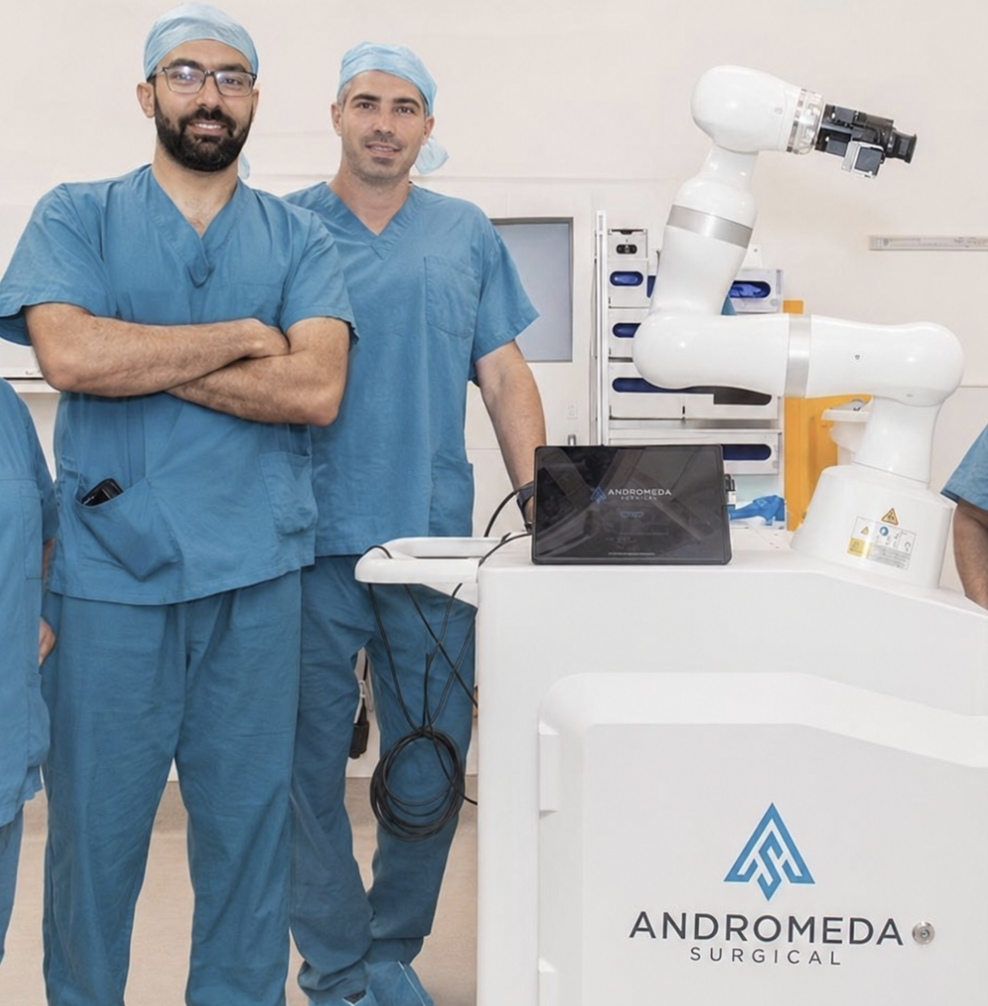
The company's system has been used by urologists in three countries to perform holmium laser enucleation of the prostate, known as HoLEP, in more than 40 patients. Andromeda reports enucleation times as fast as 30 minutes, against a published average of roughly 90 minutes.
Endourology covers several of the highest-volume conditions in surgery: enlarged prostate, prostate cancer, bladder cancer and kidney stones. Co-founder and CEO Nick Damiano frames the opportunity around capacity as much as precision, pointing to a worsening surgeon shortage that has pushed waitlists past a year in many regions, and to skill and efficiency gaps that he says account for more than a million avoidable deaths and $1 trillion in excess costs globally each year.
"Globally, five billion people lack access to safe, affordable surgical care when they need it," Damiano said. "Our goal is to solve both problems: first, by helping surgeons treat more patients at a consistently higher standard, and ultimately, by bringing expert surgery to places where it barely exists today."
Damiano previously founded Zenflow, which went through Y Combinator in the W15 batch, where Dalton Caldwell and Paul Buchheit, now at Standard Capital, were his group partners. Andromeda, part of the S23 batch, is his second YC medtech company. Co-founder and CTO Kartik Tiwari came from autonomous vehicles, where he led the team at Starsky Robotics that put a driverless truck on a public road.
"Surgery is a $3.7 trillion global market, and a better application for autonomy than driving."
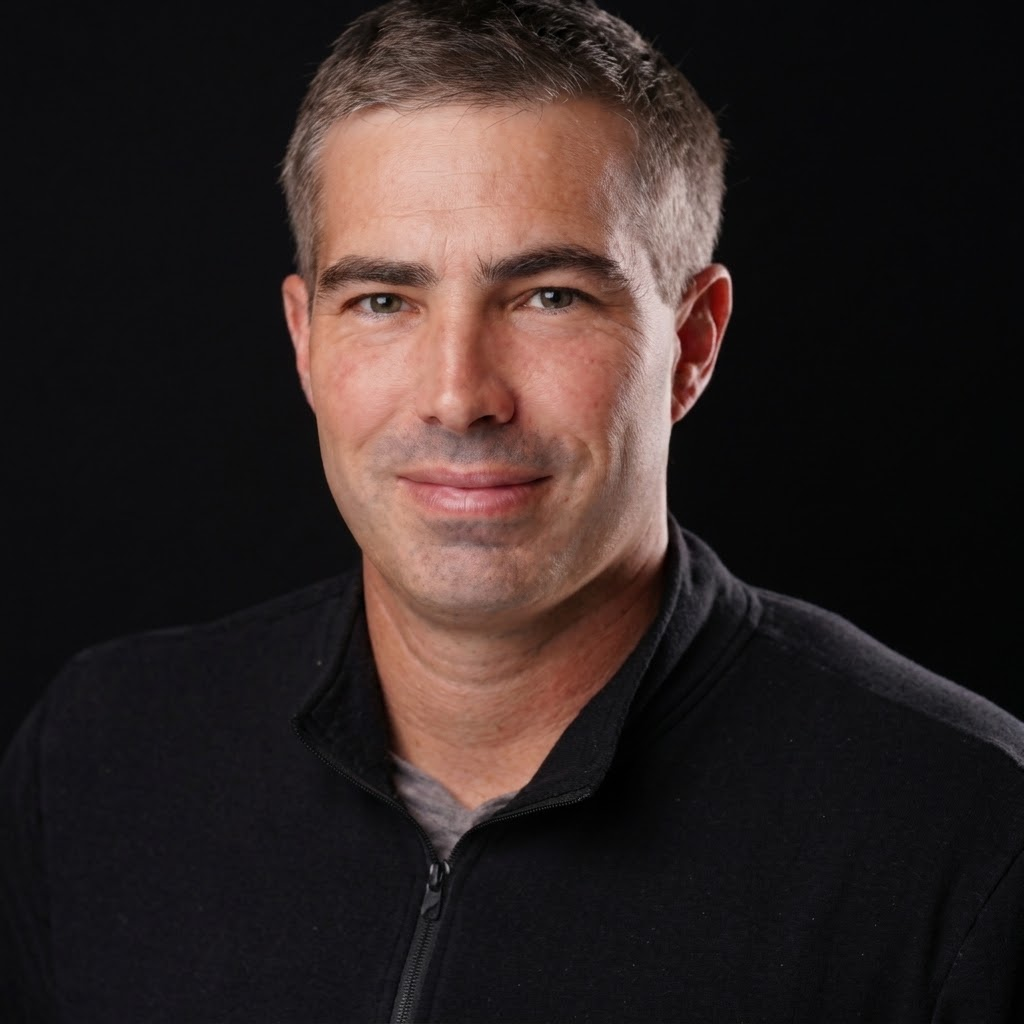
Nick Damiano, co-founder and CEO of Andromeda SurgicalThat comparison is the core of the company's thesis. Self-driving cars now operate on public streets, while most surgical robots remain, in Damiano's assessment, largely mechanical instruments with little intelligence of their own. Andromeda is betting that the operating room is the more tractable environment for autonomy.
Andromeda has regulatory clearance to launch in Canada and New Zealand, with additional approvals expected, and says its first commercial systems will be installed in hospitals within two months. The plan for the next year is to increase utilization at those sites, move into additional procedures and ship further autonomous capability.