Adialante Launches Mobile MRI to Bring Cancer Screening to Clinics
Adialante (adialante.com), a YC Spring 2026 company, is building compact, mobile whole-body MRI systems designed to bring cancer screening directly to clinics that can't afford or house traditional scanners. The company is backed by Pioneer Fund, Y Combinator, and other top investors. It has $19.75M in letters of intent, $30k in deposits, and its first system is already scanning.
The thesis is simple: early detection dramatically improves cancer outcomes, and MRI is the most powerful tool available. But conventional systems cost millions to purchase, take months to install, and require specialized infrastructure, so most clinics simply can't offer one.
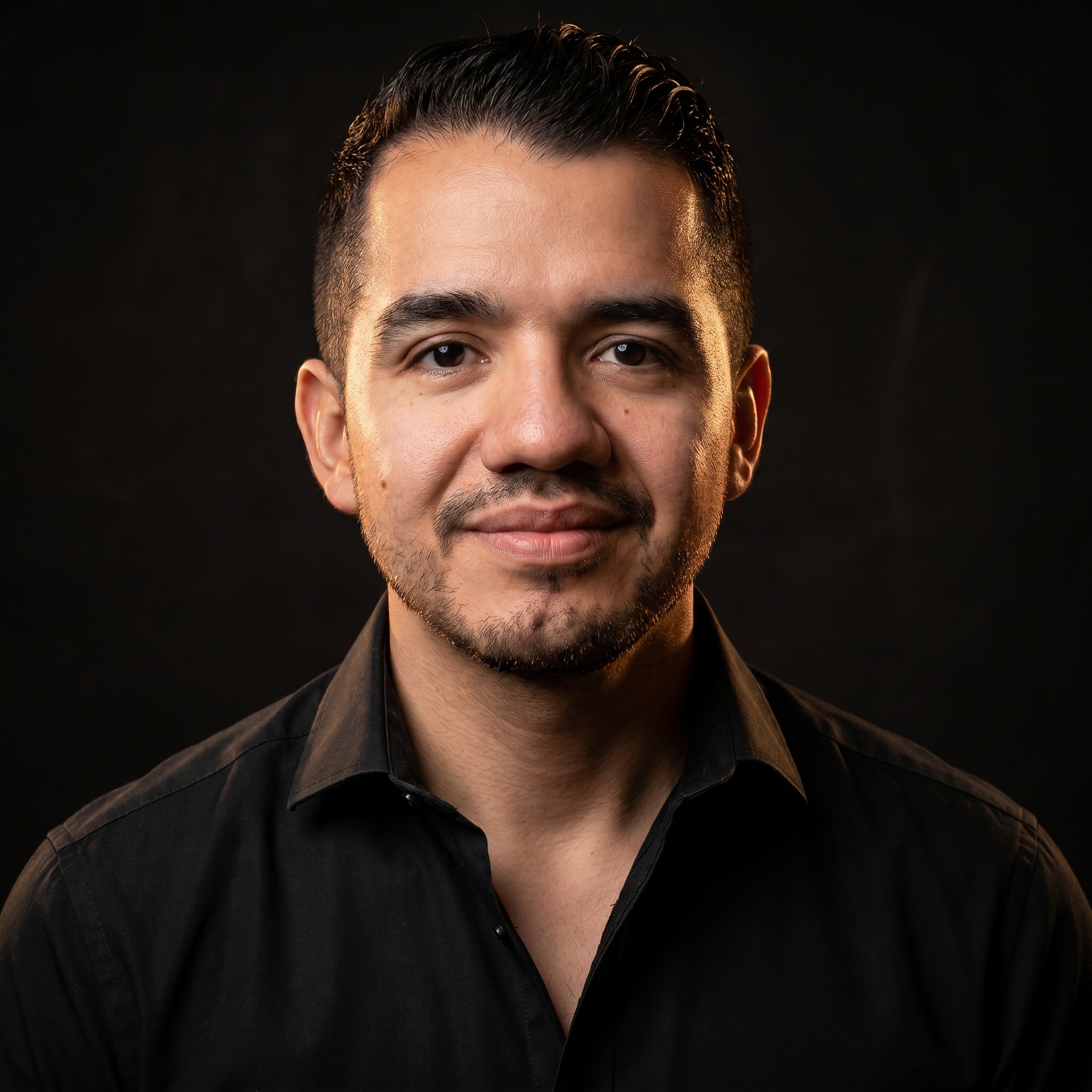
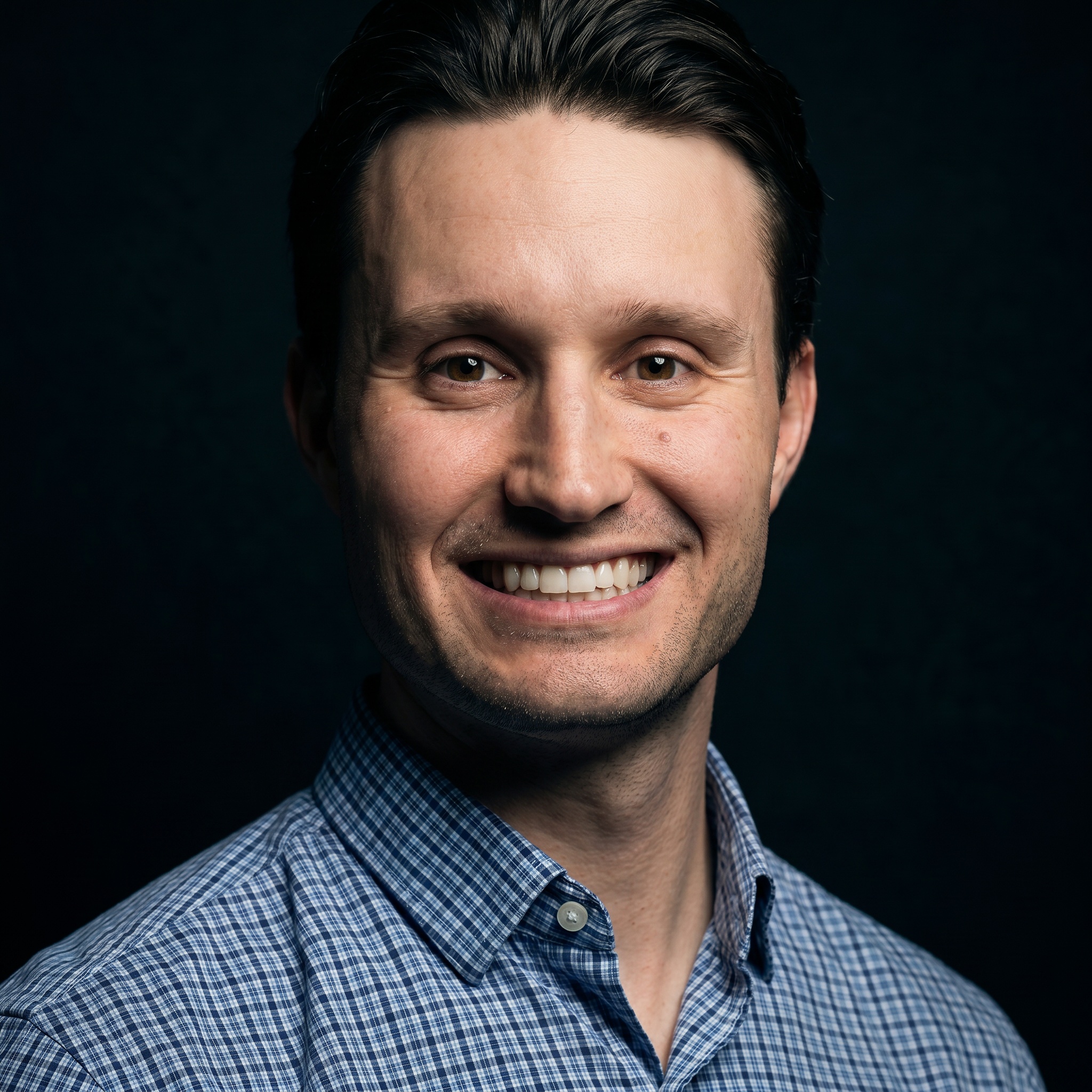
Co-founders Efraín Torres (CEO) and Parker Jenkins (COO) are both biomedical engineers who met as undergrads at Marquette University, where they lived on the same dormitory floor. They went on to pursue graduate work at the University of Minnesota, where, under professor Michael Garwood (now an advisor to the company), they developed a breakthrough approach to MRI construction.
Their method, called frequency-modulated Rabi-encoded echoes (FREE), removes B0 gradient coils, cutting hardware costs by roughly 30% while making the system silent and smaller. The result, according to the company, is an MRI that uses 50% less hardware, is 80% lighter, and requires no specialized infrastructure, all without sacrificing diagnostic image quality.
Rather than selling hardware, Adialante plans to own and operate its fleet. The company will bring its MRI units to clinics in mobile trailers, handle operations, and continuously improve its AI software after every scan. Instead of a clinic waiting months and paying millions, clinics wait hours and pay hundreds. Clinics collect the insurance reimbursement on each scan and keep the margin, creating a new revenue stream without an upfront capital expenditure.
The initial focus is prostate cancer. Over one million men every year require an MRI before a prostate biopsy, but virtually none of the urology clinics that treat them can offer one. From there, the company plans to expand into renal, breast, and brain scanning.
The company has accumulated meaningful traction ahead of its YC batch. Six clinics have signed up, including one top-ten urology clinic that put down a $30k deposit to reserve its spot. After moving to California for YC in late March, the team went from a bare magnet to a functional MRI generating preclinical data in eight weeks, while also surpassing its LOI goal.
Adialante's journey to this point has been funded largely through non-dilutive grants. The company was awarded a $1.18 million NSF SBIR Phase II grant in mid-2025. Other backers include Fogarty Innovation, Brown Venture Group, and Walleye Tank. The company has also secured two patents (US 12,625,209 and US 12,372,395) covering its core MRI architecture.
"Start-ups usually have the goal of getting acquired by a larger company, but that's not us. Our goal is to get our technology into places where it can do the most good."
Torres, a first-generation Mexican-American who grew up on the south side of Chicago, has said that the lack of healthcare access in his community drove him toward biomedical engineering. The company estimates that 90% of the world's population currently lacks access to MRI. If Adialante can deliver diagnostic-quality scans at a fraction of the cost through a mobile fleet, the market opportunity extends well beyond urology.